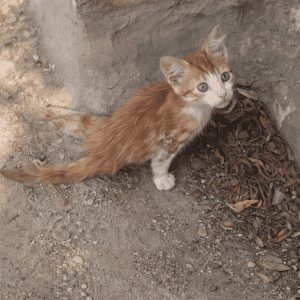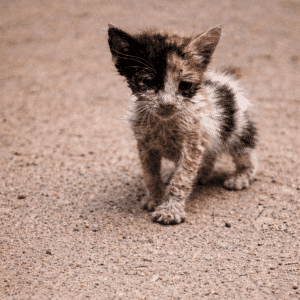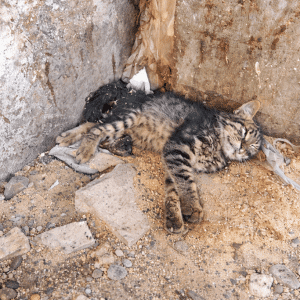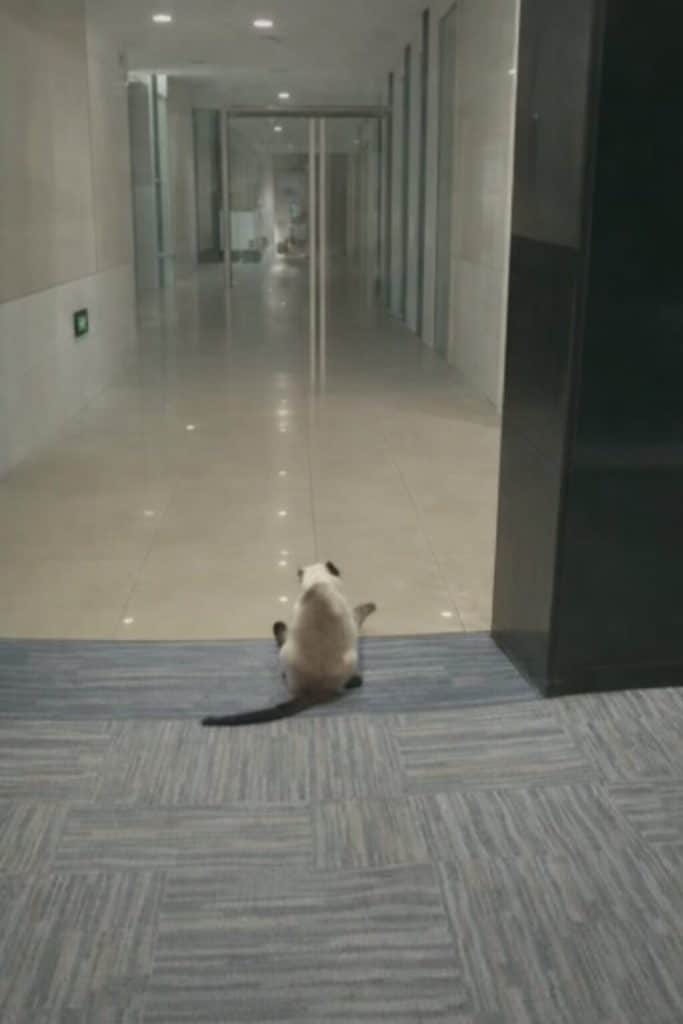
When people see an animal tied or restrained, the first reaction is often sympathy.
It looks limiting.
It feels unfair.
But sometimes…
there’s more to the story than what we see at first glance.
Looking Beyond the Surface
Not every animal is tied without reason.
In some cases, restraint is used to prevent harm—
to the animal itself,
or to others around it.
Understanding that difference matters.
When Behavior Becomes a Risk
Some animals develop habits that can cause trouble.
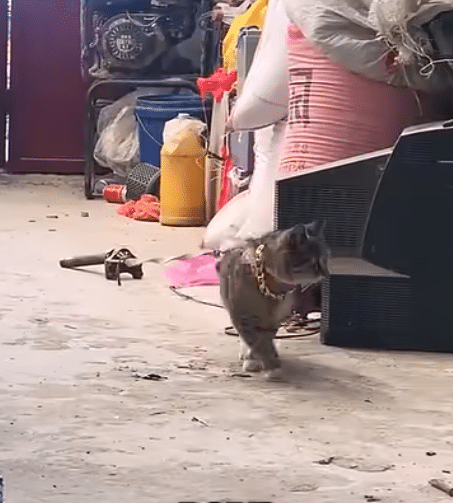
Video: Why Some Animals Are Restrained—The Truth Behind the Situation
For example, certain cats may chase or attack smaller animals nearby.
Others may react aggressively in specific situations.
In these cases, owners may choose to limit their movement—not as punishment,
but as a way to manage behavior and keep things under control.
Strength and Instinct in Other Animals
The same idea can apply to other species.
Animals like goats or sheep can be surprisingly strong and reactive.
If they feel threatened—or even just energetic—they may charge or push with force.
Without some form of restraint, situations can quickly become unsafe.
Balancing Care and Control
This doesn’t mean restraint is always the best or only solution.
But in some environments, it becomes a temporary way to manage behavior
while keeping both the animal and people safe.
The key difference lies in how it’s done—
with care,
with awareness,
and not causing harm.
Understanding Before Judging
It’s easy to feel sympathy at first glance.
But every situation has context.
What looks like restriction
might actually be protection—
or a way to prevent something worse from happening.
A Gentle Reminder About Perspective
Compassion is important.
But so is understanding.
Before reacting, it helps to pause,
look closer,
and consider the full picture.
Because sometimes…
what we see on the surface
is only part of a much larger story.