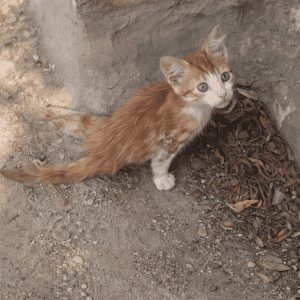
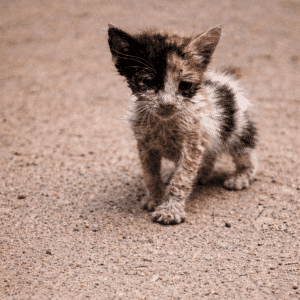
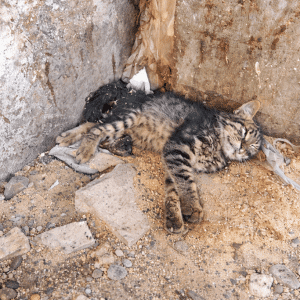
Brisbane’s story began quietly, without drama or attention, in the corner of a backyard where life had nearly slipped away unnoticed. A kind stranger spotted him lying among the plants, barely moving. At first glance, it was hard to tell whether the cat was still alive. His body was painfully thin, little more than skin stretched over fragile bones. His fur was matted with dirt and neglect, and each breath he took seemed shallow and labored, as if even breathing required effort he could hardly afford.
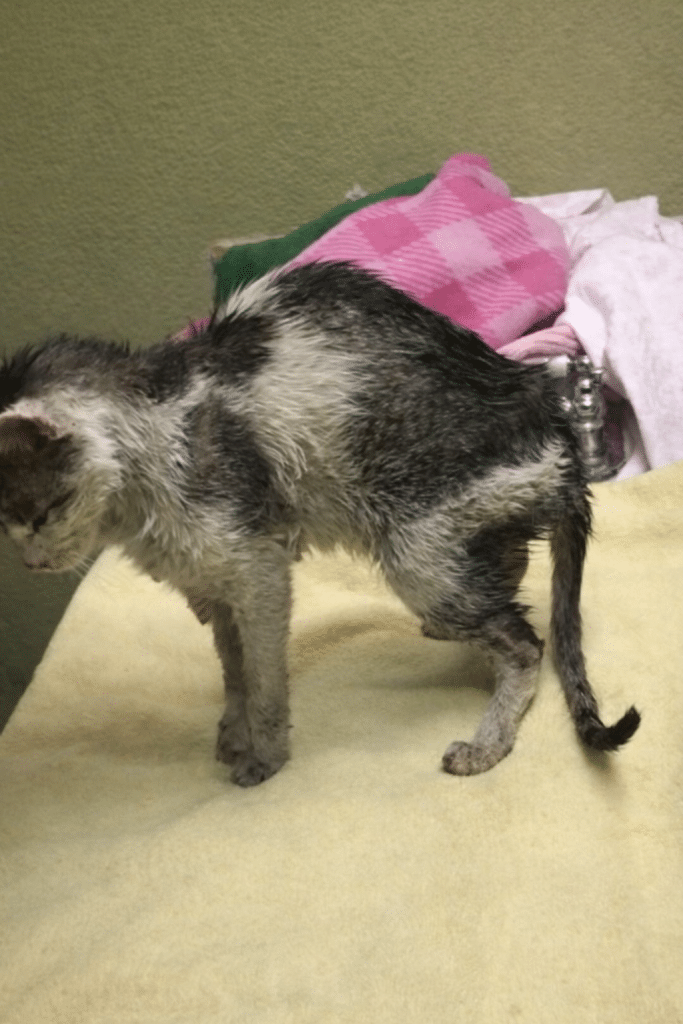
The stranger didn’t walk past. Brisbane was gently lifted and rushed to a local animal rescue facility, where staff immediately understood the seriousness of his condition. This wasn’t just a hungry stray who needed food and rest. This was a cat who had been surviving on almost nothing for a very long time.
At intake, the numbers told a heartbreaking story. Brisbane weighed less than five pounds—just under 2.3 kilograms—an alarmingly low weight for a cat of his age. His body temperature was unstable, his energy nearly nonexistent, and his overall condition suggested prolonged starvation. Blood tests soon revealed even more troubling news. Brisbane tested positive for both FIV, a virus that compromises the immune system, and FeLV, a form of feline leukemia. On top of that, he was battling a severe respiratory infection, and his liver enzymes were dangerously elevated, a consequence of long-term malnutrition.
Video:
Shunned and hungry all his life, cancer cat cried when he was hugged and loved
The prognosis was uncertain. Despite the overwhelming list of medical concerns, there was something about Brisbane that surprised everyone who met him. He wasn’t aggressive or fearful. Instead, he leaned into gentle hands, sought warmth, and purred softly whenever someone spoke to him. Even in his weakest state, Brisbane seemed grateful for kindness, as if he knew help had finally arrived.
The rescue team committed themselves fully to his care. Brisbane’s recovery plan was cautious and carefully structured. His body could not handle large meals, so he was fed small, nutrient-rich portions throughout the day and night. Every bite mattered. His fur was slowly cleaned and trimmed to make him more comfortable, and medications were administered to support his immune system and treat the respiratory infection. Volunteers took turns sitting with him, talking softly, offering reassurance, and simply being present.
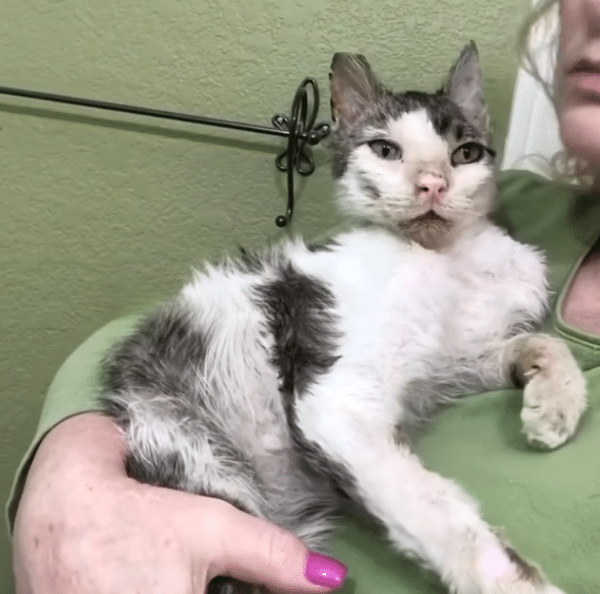
Progress came slowly, but it came. Over the following weeks, Brisbane began to gain weight. His breathing improved. His eyes, once dull and distant, started to brighten. He began to lift his head more often, then stand, and eventually walk short distances. Each small improvement felt like a victory, not just for Brisbane, but for everyone invested in his survival.
Word of Brisbane’s story spread. Photos and updates shared by the rescue touched hearts far beyond the shelter walls. Donations began to arrive from animal lovers who had never met him but believed in his fight. Those contributions helped cover his medical care and allowed the rescue to give him comforts he had likely never known before.
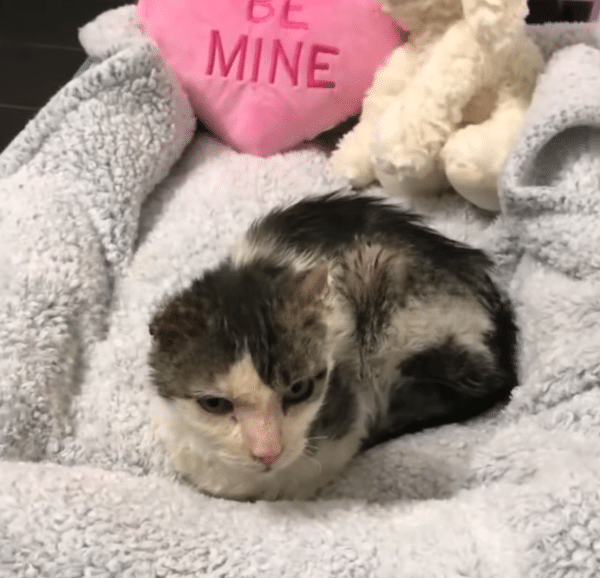
For the first time in a long while, Brisbane experienced what it meant to feel safe. He slept on soft beds, surrounded by warmth. He enjoyed regular meals without fear of competition or scarcity. He soaked up affection, often curling up beside staff members or volunteers, content simply to be close. Despite his medical challenges, Brisbane seemed genuinely happy. His gentle nature and quiet resilience made him a favorite among those who cared for him.
For six months, Brisbane lived a life filled with love. Those months mattered more than words can express. They were filled with stability, kindness, and dignity. Brisbane was no longer invisible. He was cherished. Every day he woke up knowing he would be fed, comforted, and protected. In those moments, his past suffering no longer defined him.
But life had another challenge waiting. During a routine checkup, further testing revealed devastating news. Brisbane had developed cancer. Given his existing health conditions, treatment options were extremely limited. The veterinary team explored every possibility, but it became clear that aggressive intervention would only cause suffering without offering real hope of recovery.
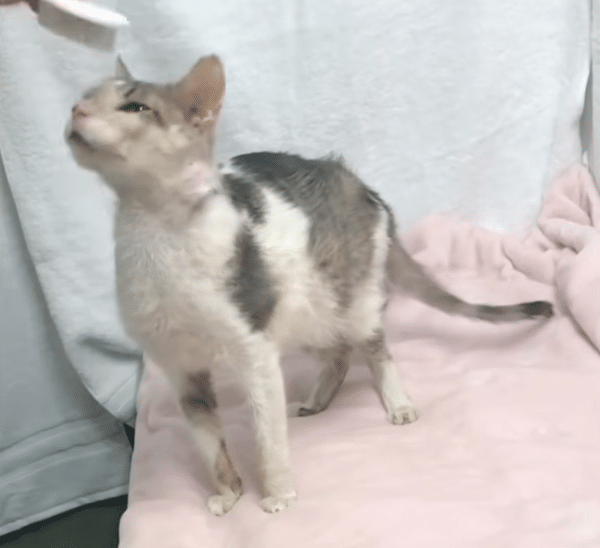
The decision that followed was one made with heavy hearts. The rescue staff chose compassion over prolonging pain. Brisbane was surrounded by familiar voices and gentle hands. He was held close, spoken to softly, and reminded—through touch and presence—that he was not alone. In his final moments, Brisbane was calm, wrapped in the love that had carried him through his last chapter.
He passed away peacefully, cradled by the people who refused to give up on him when he needed them most. Brisbane’s life was not long, but it was meaningful. His story is a powerful reminder that even when time is limited, love can change everything. He knew hunger, illness, and abandonment—but he also knew comfort, care, and belonging.
In the end, Brisbane was not just a rescued cat. He was proof that compassion matters. That effort matters. That every life, no matter how fragile, deserves dignity and kindness. And for six precious months, Brisbane had exactly that.