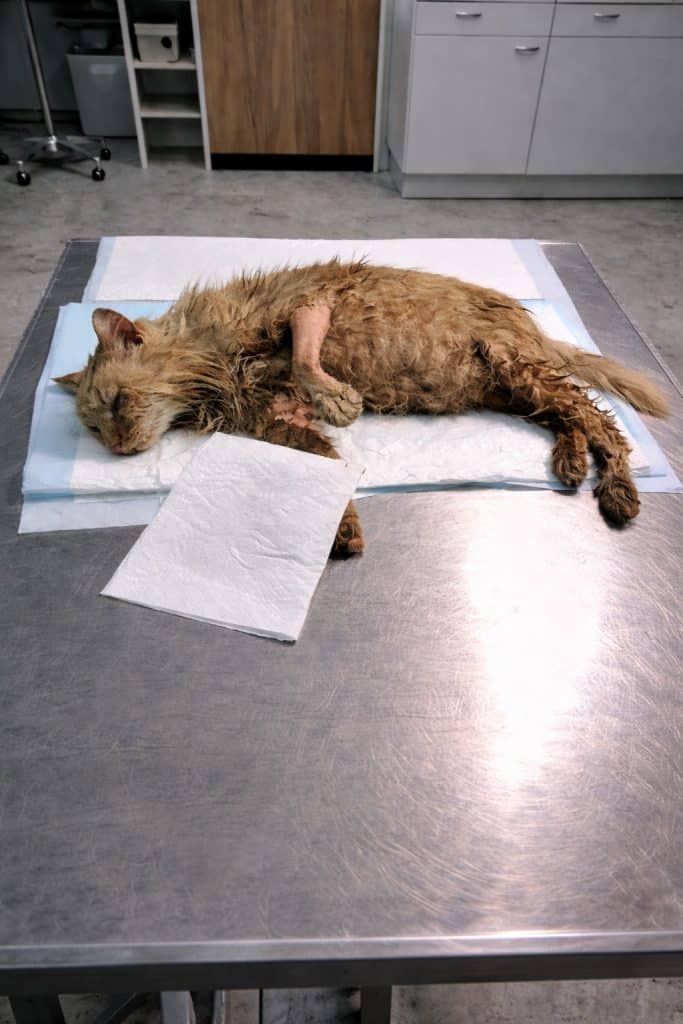
Seven-year-old Slick was found on the street in a condition that was hard to comprehend. His fur was soaked in thick motor oil, weighing him down and making even the smallest movement uncomfortable.
It appeared he had been deliberately covered and left behind, unable to escape or care for himself.
When Time Becomes the Greatest Risk
Motor oil clung to Slick’s coat, and in his attempts to clean himself, he swallowed a dangerous amount. By the time help arrived, his health was at serious risk — especially his kidneys.
He needed immediate care.
Urgent Care Begins
Slick was taken straight to a veterinary clinic, where the medical team acted quickly. To minimize stress and pain, he was gently sedated so his fur could be carefully shaved and washed clean.
Video: Slick’s rescue, first bath, and the careful treatment that gave him a second chance
At the same time, intensive fluid therapy began to help his body flush out toxins and protect vital organs. Every step was measured, calm, and focused on giving Slick the best possible chance.
When Community Support Changes Everything
This was the turning point — when expert care met compassion, and a vulnerable life was no longer facing the danger alone.
Steady Progress, Day by Day
As treatment continued, Slick began to stabilize. His body responded to the fluids. His strength slowly returned. With each passing day, the risk decreased and his comfort increased.
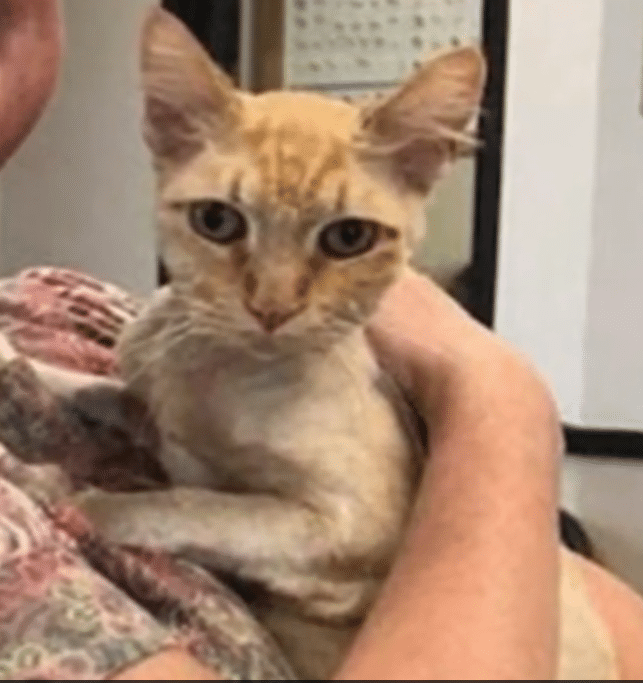
None of this would have been possible without help from the community. Donations poured in, covering the cost of his care and ensuring that treatment could continue without interruption.
Looking Ahead With Hope
Today, Slick is recovering well. He is expected to make a full recovery and will soon be ready to begin the search for a safe, loving home — one where care replaces fear, and trust can grow again.
Why Stories Like Slick’s Matter
Cases like this remind us how fragile animals can be — and how powerful kindness becomes when people choose to act together.
Slick’s future is no longer defined by what happened to him, but by the care he received afterward. Sometimes, healing begins not with answers — but with compassion and persistence.