At first glance, it looked like a simple mistake.
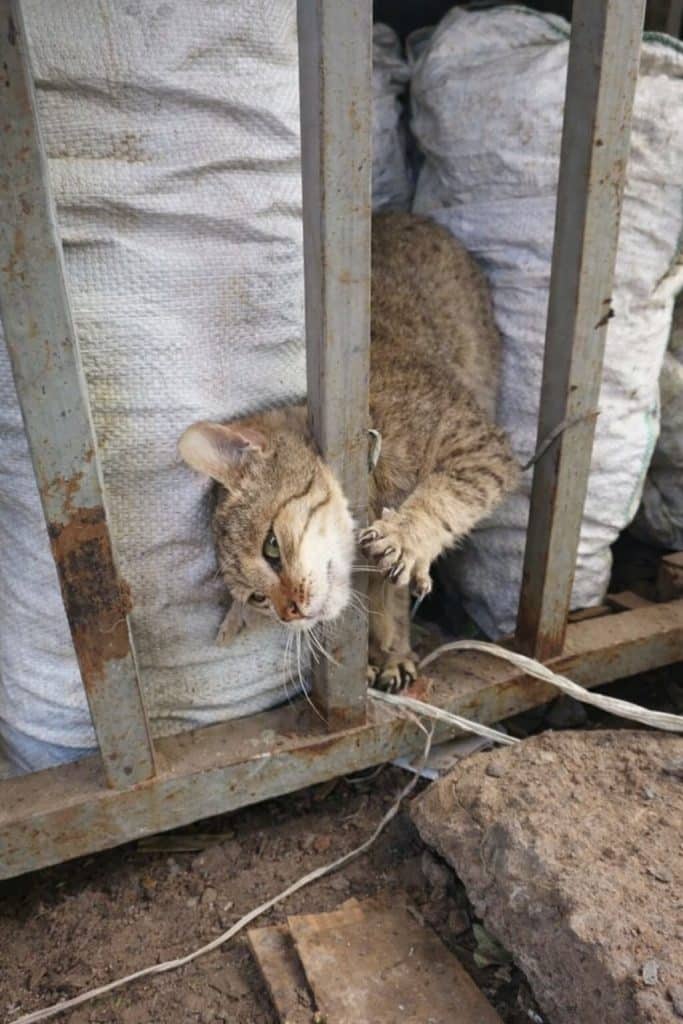
A curious tabby cat had tried to squeeze through a narrow gap in a metal gate — but misjudged the space. His body had already passed through.
His head hadn’t.
Now, he was trapped between two cold iron bars.
And he knew it.
A Curious Moment Turned Frightening
Tabby cats are naturally agile and inquisitive. Small openings often invite exploration. But this gap was just a little too narrow.
His front paws clutched the bars.
His body twisted awkwardly.
He tried to pull back — then push forward.
Neither worked.
VIDEO: His Head Gets Stuck Between Iron Bars — Watch the Moment He Tries to Free Himself
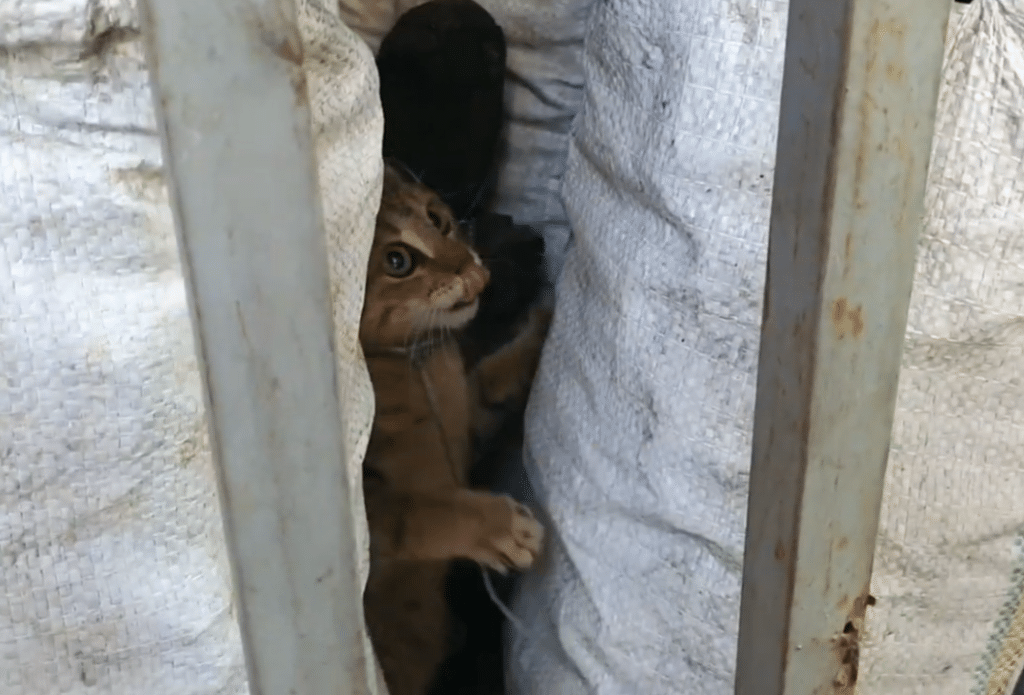
His eyes widened.
His breathing quickened.
What may have started as curiosity was quickly turning into fear.
Look closely at his paws — you can see how carefully he tries to brace himself without hurting his neck.
Why Getting Stuck Is More Dangerous Than It Looks
When a cat becomes trapped in a confined space, several risks appear:
• Neck strain from twisting or pulling
• Restricted breathing if pressure increases
• Panic-induced injury from struggling
• Circulation issues if trapped too long
Cats rely heavily on flexibility, but the neck and jaw are vulnerable areas. The more they panic, the tighter the situation can become.
The Instinct to Escape
Even while anxious, the tabby didn’t stop thinking.
Instead of thrashing wildly, he tried something else.
He gripped one bar with his paw and pushed his body sideways, testing angles. He paused between attempts, as if recalculating.
That pause matters.
It shows he wasn’t aggressive — just frightened and trying to solve a problem his instincts had created.
When Human Help Makes the Difference
Situations like this often require calm intervention.
Approaching slowly.
Speaking softly.
Avoiding sudden pulling.
If a cat’s head is wedged between bars, forcing it backward can increase swelling and make removal harder. Gentle repositioning or widening the gap safely is usually necessary.
The most important thing is preventing panic — in both the animal and the rescuer.
A Reminder About Everyday Hazards
Gates, fences, balcony rails, and decorative ironwork can all pose risks if gaps are narrow enough for a head but not the body.
Cats don’t measure space the way we do.
They estimate — and sometimes they guess wrong.
This tabby’s wide eyes tell the whole story.
He wasn’t trying to escape.
He wasn’t being reckless.
He was just being a cat.
Curious.
Flexible.
Confident.
Until the moment the world didn’t move the way he expected it to.
Thankfully, situations like this can end safely — especially when someone nearby notices quickly.
Sometimes, rescue isn’t dramatic.
It’s simply being there when curiosity turns into trouble.